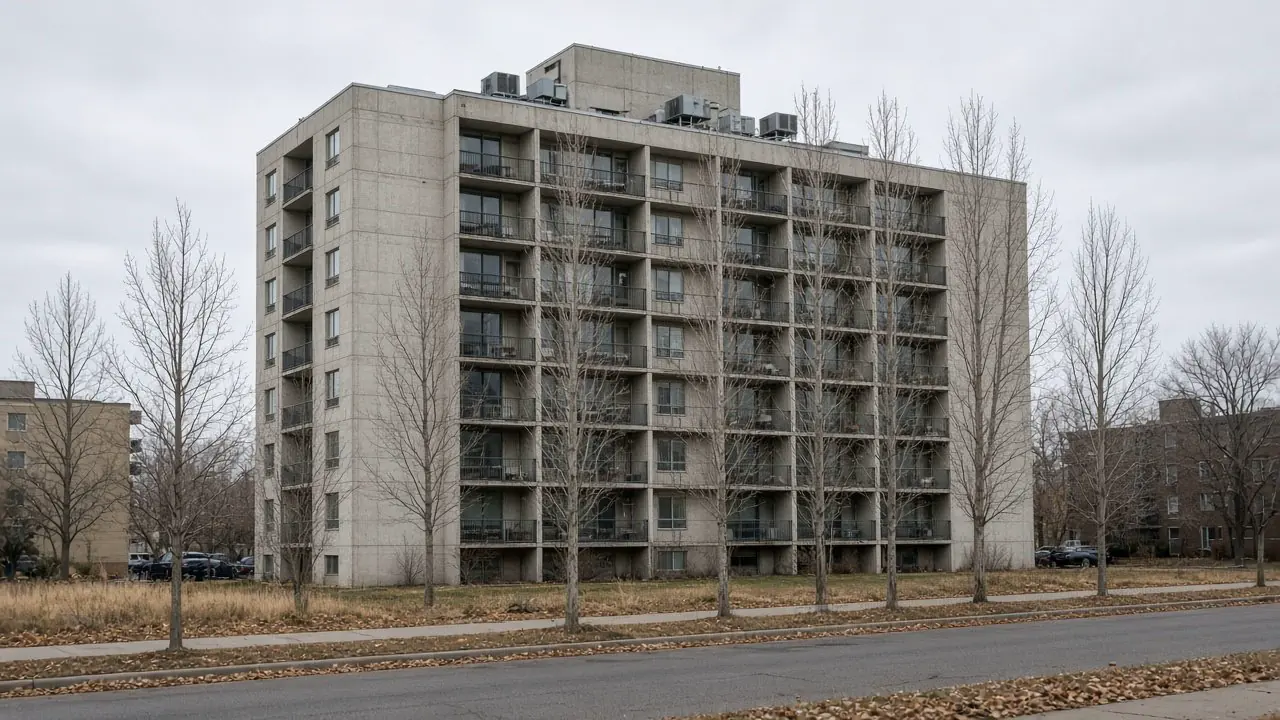
A reserve fund study is a professional review of everything a condo corporation will need to repair or replace over the next 30 years or more, what it will cost, and how much should be saved. In Alberta, every condo corporation needs one within two years of the condo plan being registered and again at least every five years. For an Edmonton buyer, it's one of the best clues to future fees and special assessments.
What a reserve fund study is (and why buyers should care)
Every condo building wears out on a schedule. Roofs, windows, elevators, boilers, parkade membranes, paving and siding all reach the end of their lives eventually, and the owners pay to replace them. Alberta's Condominium Property Act requires each corporation to keep a reserve fund that is reasonably sufficient for major repairs and replacements that don't happen every year. A reserve fund study is how the corporation works out how much "reasonably sufficient" actually is.
If you're shopping for a condo in Edmonton, this matters because the reserve fund is where today's condo fees and tomorrow's surprises meet. A building that saves too little now tends to catch up later, through bigger fee increases or a special assessment. The study is the document that shows you which way a building is heading. You'll find a quick overview of all the documents in our condo document review guide, and this post goes deeper on the one many buyers skim.
What Alberta rules say about reserve fund studies
The detailed rules sit in the Condominium Property Regulation. The main points for buyers:
- Timing. A new corporation must complete its first study, report and plan no later than two years after its condominium plan is registered. After that, a new study and plan are due on or before five years from the date the last plan was approved.
- Scope. The study must list all depreciating property that may need repair or replacement within the next 30 years or longer, describe its current condition, estimate when each item will need work, and estimate costs using figures no lower than current costs.
- Site work. The provider must do an on-site visual inspection, interview the board, review records such as the condominium plan, construction documents and maintenance records, and recommend how much should be in or added to the fund.
- The plan. After reviewing the report, the board approves a reserve fund plan setting out how the fund will be funded, and owners must get a copy before money is collected under it.
- Yearly check-in. The corporation must also prepare an annual reserve fund report showing the balance, money in and out, work done last year, and projects expected this year.
The Government of Alberta's reserve funds page adds that the fund must be kept in a separate account and isn't meant for routine maintenance like yard work or window cleaning. It also notes that the annual reserve report goes out as part of the annual general meeting package.
Who prepares the study
Only a qualified reserve fund study provider can carry out the study. The regulation lists the accepted credentials, including professional engineers, professional and certified technologists, registered architects, certain accredited appraisers, professional quantity surveyors and certified reserve planners. The provider also has to know the type of property and what it costs to repair. Directors, employees of the corporation and the condo manager are not allowed to do it.
There's one size exception. A corporation with 12 or fewer units can do its own study if the owners approve it by special resolution. If you're looking at a small Edmonton townhouse complex or a converted fourplex, ask who prepared the study and what their background is.
One more point that surprises buyers: the Government of Alberta says reserve fund studies are prepared for boards, owners and buyers and are not reviewed by the government. Nobody signs off on the numbers for you, so it pays to read them.
How to read a reserve fund study as an Edmonton buyer

Most reports are long. You don't need to read every component line, but you should find these five things.
- The date. Check when the study was done and when the current plan was approved. If it's close to five years old, a new study is due soon, and new studies often bring updated cost estimates.
- The balance versus the plan. Compare the actual reserve balance in the latest financial statements or annual reserve report with the balance the plan projected for that year. Being on or above plan is a good sign. Being well below it is a question to ask.
- The next five to ten years. Look at the expenditure table for big items coming soon. A roof, window or envelope project in the next few years matters more to you than a lobby refresh in year 25.
- The board's choice. The provider recommends contributions, but the board approves the plan. If the board chose lower contributions than recommended, find out why.
- Contribution increases. Many plans build in yearly increases to reserve contributions. Those increases feed straight into your monthly fee, so compare them with what our Edmonton condo fees guide says about typical fee ranges and what fees include.
Then cross-check with the minutes. If the minutes mention leaks, engineering reports or a levy, but the reserve plan shows no matching project, that gap is worth raising with your REALTOR® and lawyer.
Red flags and good signs
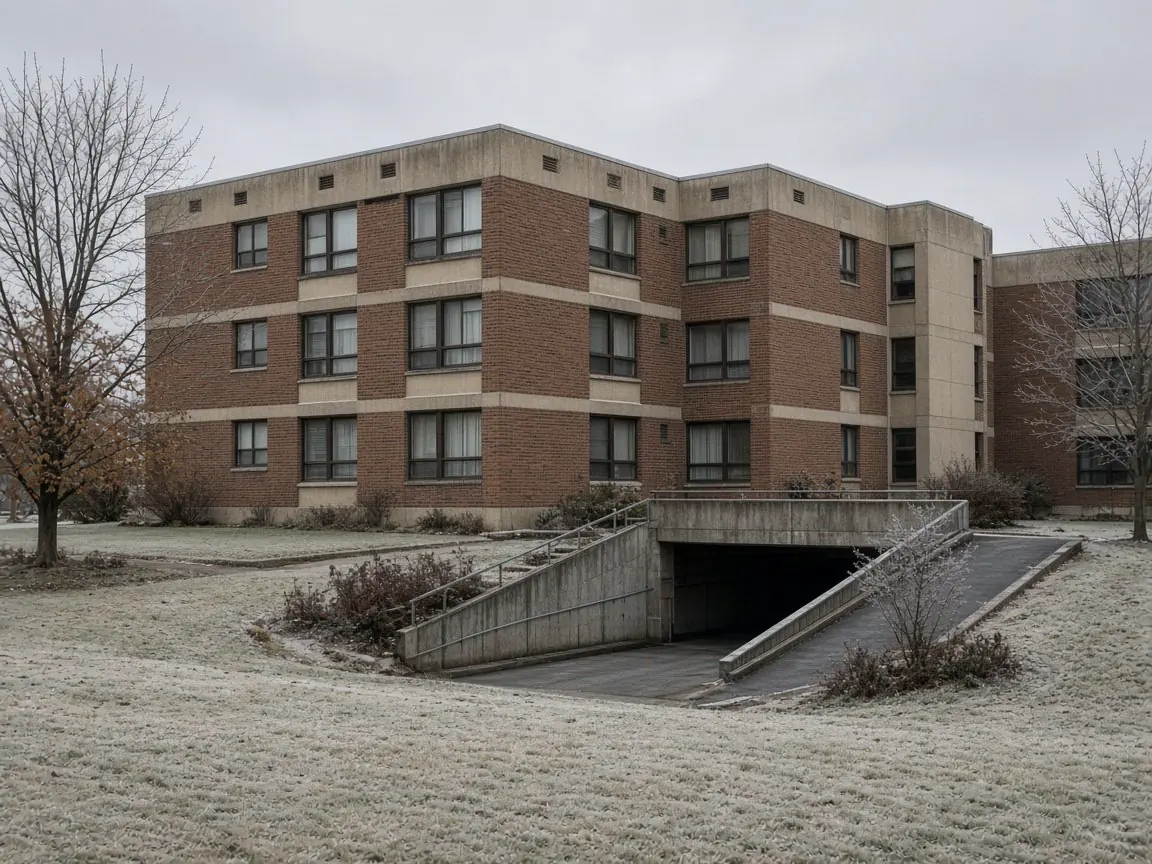
Signs a building is planning well:
- A current study and approved plan, done on time.
- A reserve balance at or near the plan's projection.
- Major projects already scheduled and funded in the plan.
- An annual reserve report that matches the financial statements.
Signs that deserve a closer look:
- No study, an overdue study, or a plan the board never approved.
- A balance well below the plan with large projects coming.
- Minutes that talk about borrowing or a special levy.
- Very low fees compared with similar buildings, especially in older concrete high-rises.
The Government of Alberta notes that corporations can fund repairs through fees, contribution increases, special assessments, borrowing or a mix of these. Our guide to special assessments in Alberta condos explains how levies work and how buyers protect themselves.
How to get the documents before you firm up
Under section 44 of the Condominium Property Act, a purchaser, their lawyer, or someone they authorize in writing can ask the corporation in writing for prescribed documents. Those include reserve fund plans, reserve fund reports and the annual reserve reports. The corporation has 10 days to provide them. Fees are capped by regulation: for most documents, $10 each when the document is electronic or 40 pages or fewer, and 25 cents a page for longer paper copies, plus up to $20 more per document if the corporation provides it within three days and its bylaws allow a rush fee.
In practice, your REALTOR® will usually request the condo documents as part of a conditional offer, so build in enough days to read the reserve fund study properly. If you'd like to learn more about how condo corporations work, the Edmonton-based Canadian Condominium Institute North Alberta Chapter runs events and education for owners and boards.
Bare land and newer condos
Bare land condo corporations need a reserve fund too, but what it covers depends on how much property the corporation is responsible for. Our bare land vs conventional condo guide explains the difference. For brand-new buildings, remember the first study may not be done until up to two years after the plan is registered, so ask what the developer's budget assumes for reserve contributions until then.
General information only, not legal, tax, insurance or financial advice. Talk to a licensed professional about your situation, and have your condo documents reviewed before you waive conditions. Elevate Realty Group · Brokerage: Real Broker.
Quick Answers
How often is a reserve fund study required in Alberta?
What is the difference between a reserve fund study, a reserve fund report and a reserve fund plan?
Who can do a reserve fund study in Alberta?
Can a buyer get a copy of the reserve fund study before buying?
Does the government check reserve fund studies?
Is a low reserve fund balance always a red flag?
Sources: Alberta King's Printer: Condominium Property Regulation, Alta Reg 168/2000, ss. 20.52, 20.53, 21.1, 22 to 27, 29 and 30 (current as of February 15, 2026) · Alberta King's Printer: Condominium Property Act, RSA 2000, c C-22, ss. 38 and 44 (current as of May 14, 2026) · Government of Alberta: Reserve funds (condominium information) · Government of Alberta: Consumer Tips, Owning a Condominium (2026-04) · Government of Alberta: Reserve Fund Study Providers, Plans and Reports (2026) · Canadian Condominium Institute, North Alberta Chapter
Images are illustrative.

Elevate Realty Group
We're an Edmonton-based real estate team with Real Broker, specializing in condo buyers across Downtown, Wîhkwêntôwin (Oliver), Glenora, Old Strathcona and beyond. We know what to look for in condo documents, reserve funds and bylaws, and we give you straight answers — no pressure.
- Local market knowledge — neighbourhoods, building types and recent sales across Edmonton
- Condo document review — once your offer is accepted, we flag red flags before you waive conditions
- Buyer, seller and investor experience — first condos, downsizes and rental portfolios
Live Condo MLS® Listings
Search every condo on the Edmonton MLS®, updated daily — then let a local condo specialist help you separate the great buildings from the money pits.