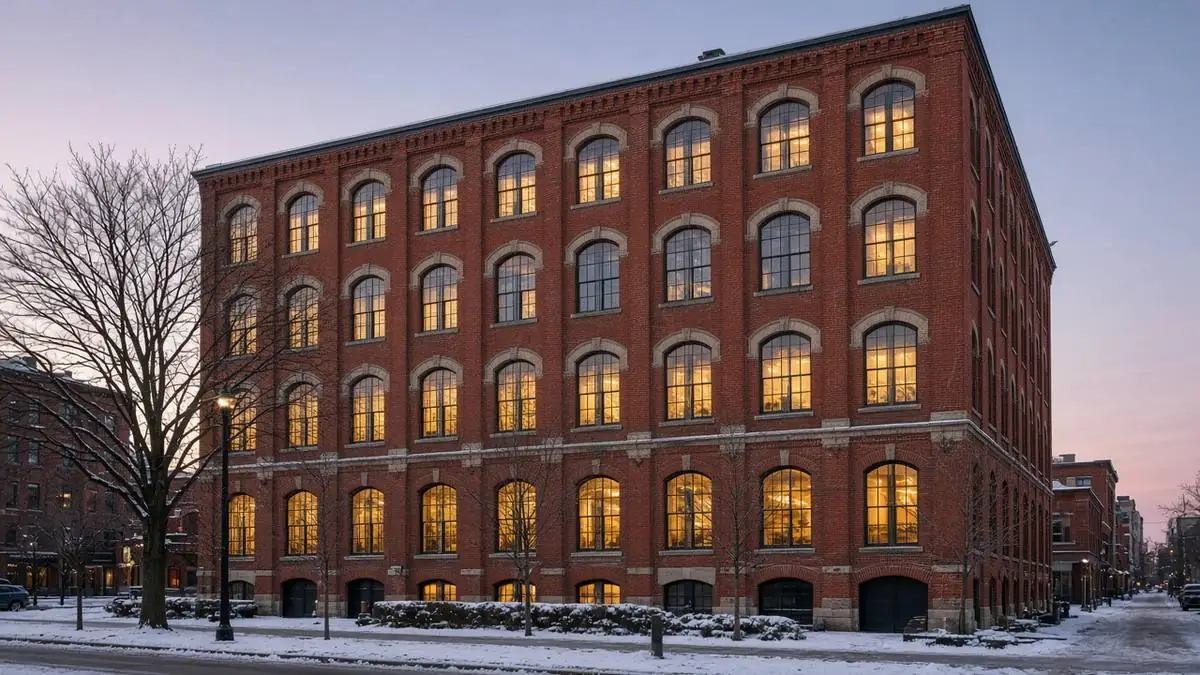
Buying a loft condo in Edmonton usually means buying into a converted brick warehouse in the downtown Warehouse District, where open plans, exposed brick and tall ceilings come with older building systems, heritage rules in some buildings and a smaller pool of comparable sales. The best loft purchases start with the condo documents: the reserve fund study, the insurance deductible, the bylaws and how each space in the unit is legally described.
What counts as a loft condo in Edmonton
Buying a loft condo in Edmonton is a bit different from buying a standard apartment. You're often buying a piece of the city's history, with the character and the quirks that come with it. Before you start touring, it helps to know what kind of loft you're looking at.
Real estate people usually split lofts into two groups. A hard loft is in a building that was first built for something else, like a warehouse or factory, and later converted into homes. Expect exposed brick, heavy beams or concrete columns, big industrial windows and ceilings that feel huge. A soft loft is a newer building designed from day one with loft features: tall ceilings, open plans and large windows, but modern construction behind the drywall.
Edmonton's best-known lofts are hard lofts. In the late 1990s, the City's downtown plan offered developers $4,500 for each of the first thousand new homes downtown, and CBC News reported that a number of 104 Street warehouses were then converted into loft-style condos, including Cobogo, Excelsior and Phillips Lofts. Our Edmonton lofts for sale guide lists every loft condo building we track, with history, unit counts and heritage status, so this post focuses on what living in one is actually like and what to check before you buy.
Loft condo pros and cons
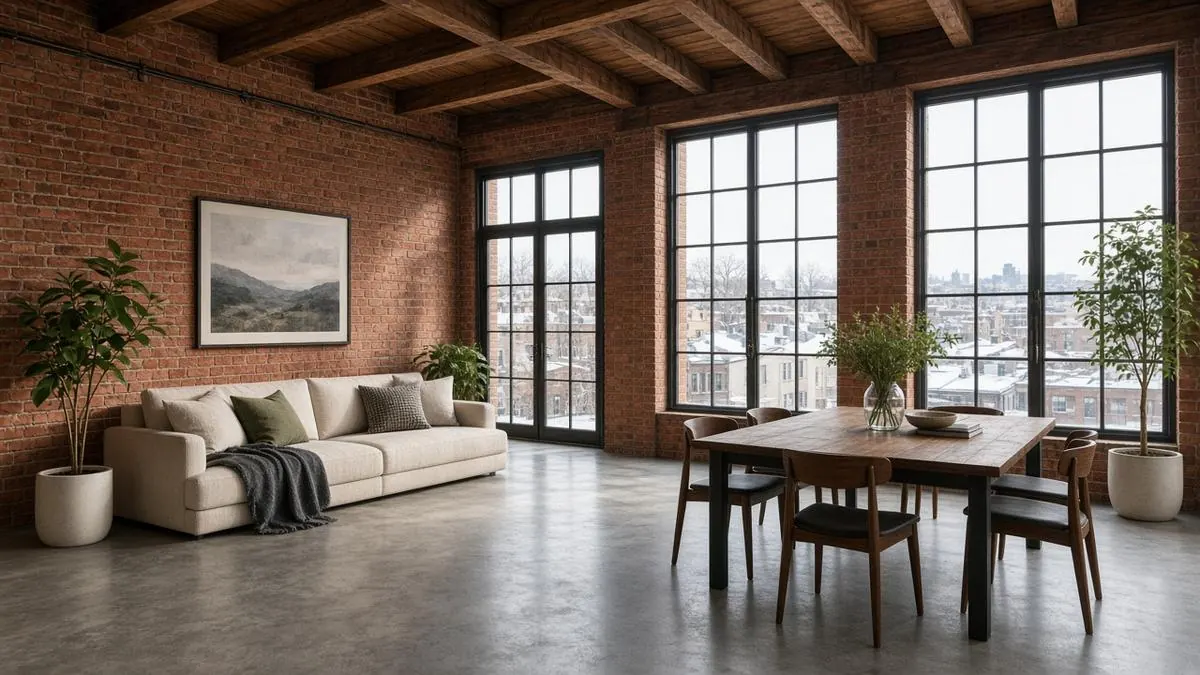
Loft living in Edmonton suits some people perfectly and frustrates others. Here's an honest look at both sides.
What buyers love:
- Character you can't get in new construction. Original brick, beams and wide windows give each unit its own personality.
- Volume and light. Tall ceilings and large windows make even a modest floor area feel generous.
- Flexible open plans. One big room can work as living space, studio and home office.
- Location. Most Edmonton lofts are a short walk from 104 Street shops, restaurants and downtown jobs.
What gives buyers pause:
- Privacy. Many lofts have few interior walls, and some bedrooms are open mezzanines or are screened rather than enclosed.
- Sound. Hard surfaces and open volumes carry noise, both inside the unit and between neighbours.
- Storage. Open plans often mean fewer closets.
- Older building systems. A century-old envelope needs ongoing care, and that shows up in the reserve fund and the fees.
- A smaller resale pool. Lofts are a niche, so there are fewer comparable sales and the right buyer can take longer to find.
None of these are deal-breakers on their own. They're simply the trade-offs to weigh against the character you're paying for.
Living with tall ceilings and big windows through an Edmonton winter
Edmonton winters test any home, and loft spaces behave a little differently. Warm air rises, so a room with a very tall ceiling can feel cooler at floor level than the thermostat suggests. Large older windows can feel cold to sit beside in January, and some buildings still have original or older window systems.
When you tour, ask how the unit is heated, whether heat is included in your condo fees or billed separately, and whether the windows have been replaced. Ceiling fans that push warm air back down, good window coverings and area rugs on hard floors make a real difference for many loft owners. If you can, book a second showing on a cold or windy day. You'll learn more in ten minutes than any listing description can tell you.
Summer matters too. West- and south-facing walls of glass can heat up on long June evenings, so ask what cooling, if any, the building allows under its bylaws.
Heritage loft condos: what designation means for owners
Some Edmonton lofts sit in designated heritage buildings. The Phillips Building, home of Phillips Lofts, is a 1913 brick warehouse on 104 Street that was designated by City bylaw in 2001, and its main facade, which had been redesigned in the 1960s, was restored that same year. The Canadian Consolidated Rubber Company building, home of Cobogo Lofts, was also built in 1913 and designated in 2001.
Designation protects specific character-defining elements, usually the facade, windows and other exterior features. Changes to those protected parts generally need City approval, which can affect how and when the condo corporation repairs masonry or replaces windows. There can be an upside. The City offers financial incentives for Municipal Historic Resources, including rehabilitation grants of up to 50% of eligible restoration costs and renewable maintenance incentives, mostly for exterior work. These come with a maintenance agreement registered on title.
Questions worth asking the board: which parts of the building are protected, whether the corporation has used heritage incentives, and what exterior work the reserve fund plan expects in the next few years. Not every older loft is designated. The City explains that buildings on its Inventory of Historic Resources merit conservation but are not legally protected, while designated buildings on the Register are, so check each building individually.
Warehouse District lofts: the neighbourhood you're buying into
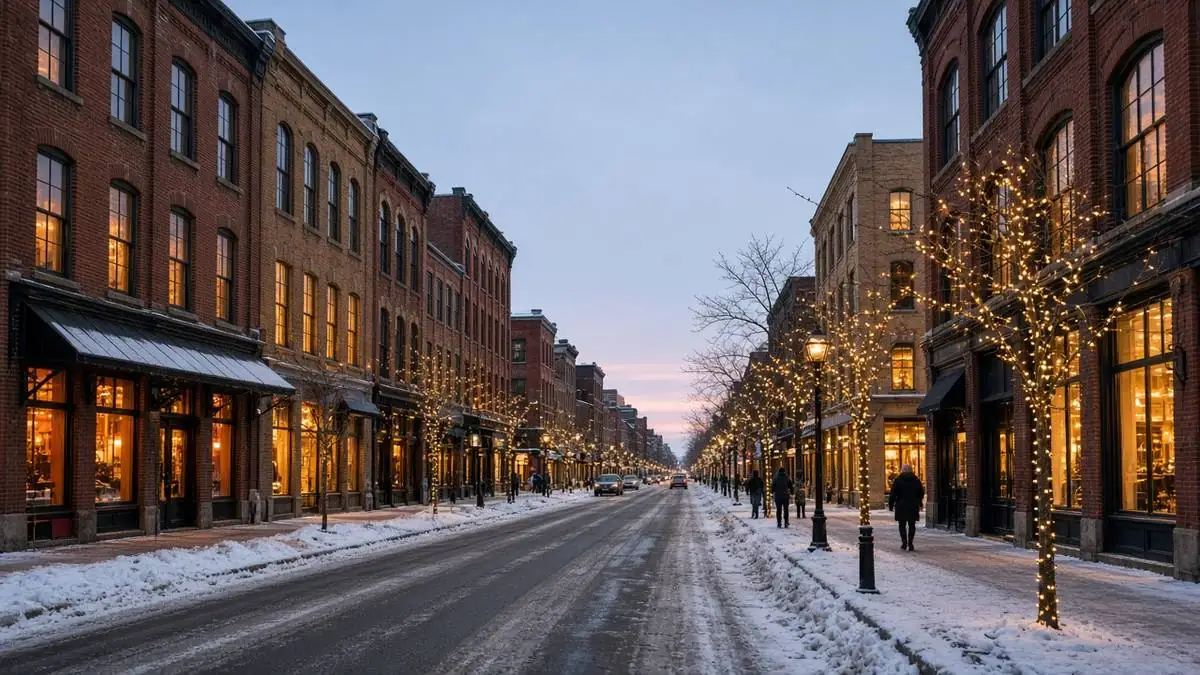
Buying a loft here also means buying into a lively downtown neighbourhood. CBC News has described 104 Street between Jasper and 102 avenues as what many consider the most vibrant and eclectic block downtown, and its wide sidewalks and century-old buildings are a big part of the appeal.
The newest addition is O-day'min Park, which opened in November 2025 on former gravel parking lots between 106 and 108 streets, from Jasper Avenue to 102 Avenue. The City lists a pavilion with washrooms, an open lawn with a tobogganing hill, a playground, a sport court and fireplaces for the colder months. For loft owners on the west side of the district, that's a real backyard. CBC also reported that more residential projects are planned around the park, so expect ongoing construction and new neighbours over the next few years.
Downtown living also means event nights, traffic and noise, so walk the block on a weekday evening and a weekend before you decide. Our Downtown Edmonton neighbourhood guide covers transit, walkability and amenities in more detail.
Documents and details to check before you firm up
Every condo purchase needs a careful document review, but lofts have a few extra pressure points.
- The reserve fund study. In a converted warehouse, look closely at roof, masonry, windows and mechanical systems. Our post on reading a reserve fund study in Alberta walks through what to look for.
- The insurance deductible. Under Alberta's condo regulations, a corporation can charge an owner up to $50,000 of its deductible when damage starts in that owner's unit, as CPLEA's LawNow explains. Ask what the building's deductibles are and talk to a licensed insurance professional about your own coverage.
- How each space is described. A mezzanine without a proper window may not count as a bedroom. Alberta's housing standards generally require bedrooms in buildings of three storeys or less to have an openable outside window unless the suite is sprinklered.
- Parking and storage. Edmonton removed minimum parking requirements citywide in 2020, and older conversions vary. Confirm whether a stall or storage locker is titled, assigned or not included.
- Renovation and flooring bylaws. Many buildings regulate flooring changes because of sound. Read the bylaws before you plan new hardwood or open up walls.
- Fees in context. Older buildings with heritage features can carry higher costs. Compare the fees with what our Edmonton condo fees guide says about what fees typically include, and use our condo document review guide as your checklist.
If a specific building has caught your eye, start with its guide, such as Excelsior Lofts, Seventh Street Lofts or Fifth Street Lofts, then ask us for recent sales in that building.
General information only, not legal, tax, insurance or financial advice. Talk to a licensed professional about your situation, and have your condo documents reviewed before you waive conditions. Elevate Realty Group · Brokerage: Real Broker.
Quick Answers
What is the difference between a hard loft and a soft loft?
Where are most loft condos in Edmonton?
Are loft condos hard to heat in an Edmonton winter?
Can a sleeping loft or mezzanine count as a bedroom?
What does heritage designation mean for a loft owner?
Are lofts a good investment?
Sources: CBC News: How 104th Street became the heart of downtown Edmonton (2013) · Canada's Historic Places: Phillips Building, 10169 104 Street, Edmonton (City of Edmonton Bylaw 12607) · Canada's Historic Places: Canadian Consolidated Rubber Company building (Cobogo Lofts), 10249 104 Street, Edmonton (City of Edmonton Bylaw 12901) · City of Edmonton: Financial Incentives for Municipal Historic Resources · City of Edmonton: O-day'min Park · CBC News: O-day'min Park opens as part of Warehouse Park Project to spur downtown interest (November 7, 2025) · Alberta Health Services: Emergency Egress (Minimum Housing and Health Standards) · CPLEA LawNow: Alberta's new condominium regulations, insurance · City of Edmonton: Historic Resources, Register and Inventory · City of Edmonton: Open Option Parking
Images are illustrative.

Elevate Realty Group
We're an Edmonton-based real estate team with Real Broker, specializing in condo buyers across Downtown, Wîhkwêntôwin (Oliver), Glenora, Old Strathcona and beyond. We know what to look for in condo documents, reserve funds and bylaws, and we give you straight answers — no pressure.
- Local market knowledge — neighbourhoods, building types and recent sales across Edmonton
- Condo document review — once your offer is accepted, we flag red flags before you waive conditions
- Buyer, seller and investor experience — first condos, downsizes and rental portfolios
Live Condo MLS® Listings
Search every condo on the Edmonton MLS®, updated daily — then let a local condo specialist help you separate the great buildings from the money pits.